• Home
    • Our Story
    • A Thousand Words Gallery
    • Culture Crew Blog
    • Toddlers, Pre-K and K
    • Children and Youth
    • Family and Community
    • Calendar
  • Careers
  • Contact
  • Donate
Menu

Crayons & Culture

Planetree Circle
Owings Mills, MD, 21117
3476938555
Learning Happens Out Of The Box

Your Custom Text Here

Crayons & Culture

  • Home
  • About Us
    • Our Story
    • A Thousand Words Gallery
    • Culture Crew Blog
  • Experiences
    • Toddlers, Pre-K and K
    • Children and Youth
    • Family and Community
    • Calendar
  • Careers
  • Contact
  • Donate

Crayons And Culture Black Education And Its Importance: A dive into the innovative work that Crayons and Culture is executing, and its significance and impact on today's youth. (By: Essence Gibbs)

July 16, 2026 Agzja Carey

Throughout the first week of camp, there are a plethora of educational experiences aimed at shaping the identity, confidence, and future of the young people attending and working at this camp. These experiences are well-rounded, ranging from Black Studies and African dance to rowing and cooking. These experiences give youth ample opportunities to develop lasting skills and cultural wisdom.


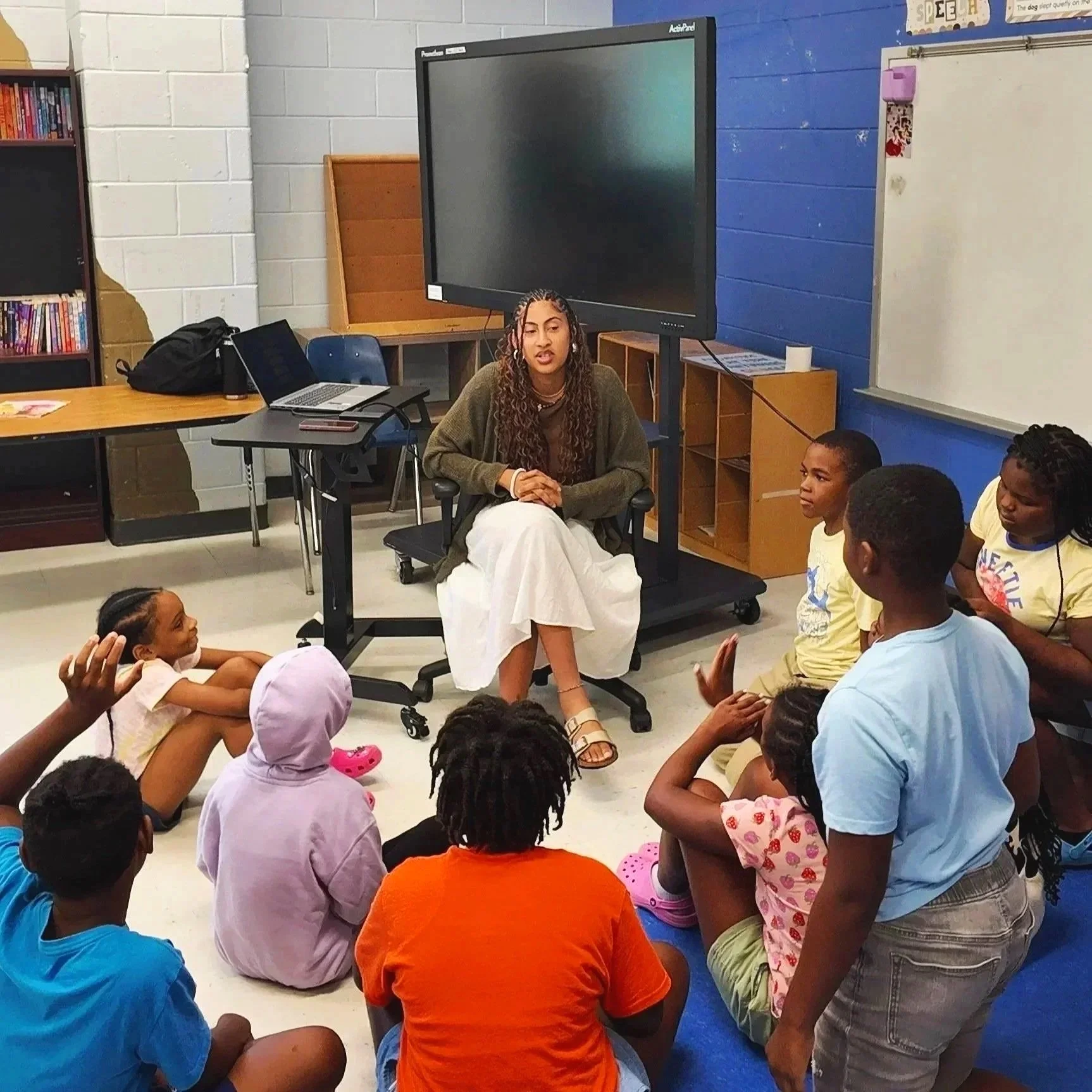
In the Black Studies course, throughout the first week of camp, students learn about Ancient Egypt/Kemet. This course teaches students about pre-colonial African societies and the important culture that is ultimately tied to them as Black people. One of the cultural concepts they learn about is the 42 laws of Ma’at, a set of ideals the Ancient Egyptians lived by that allowed their civilization to thrive for a remarkable span of years. 
When asked why the Ma’at ideals are important to them, a student remarks, “ It teaches that anger can turn into hurting others and you can affect the way people feel.” While learning about the 42 laws of Ma’at, students learn how adopting certain values from it could positively impact their lives and future through the way that they govern themselves.

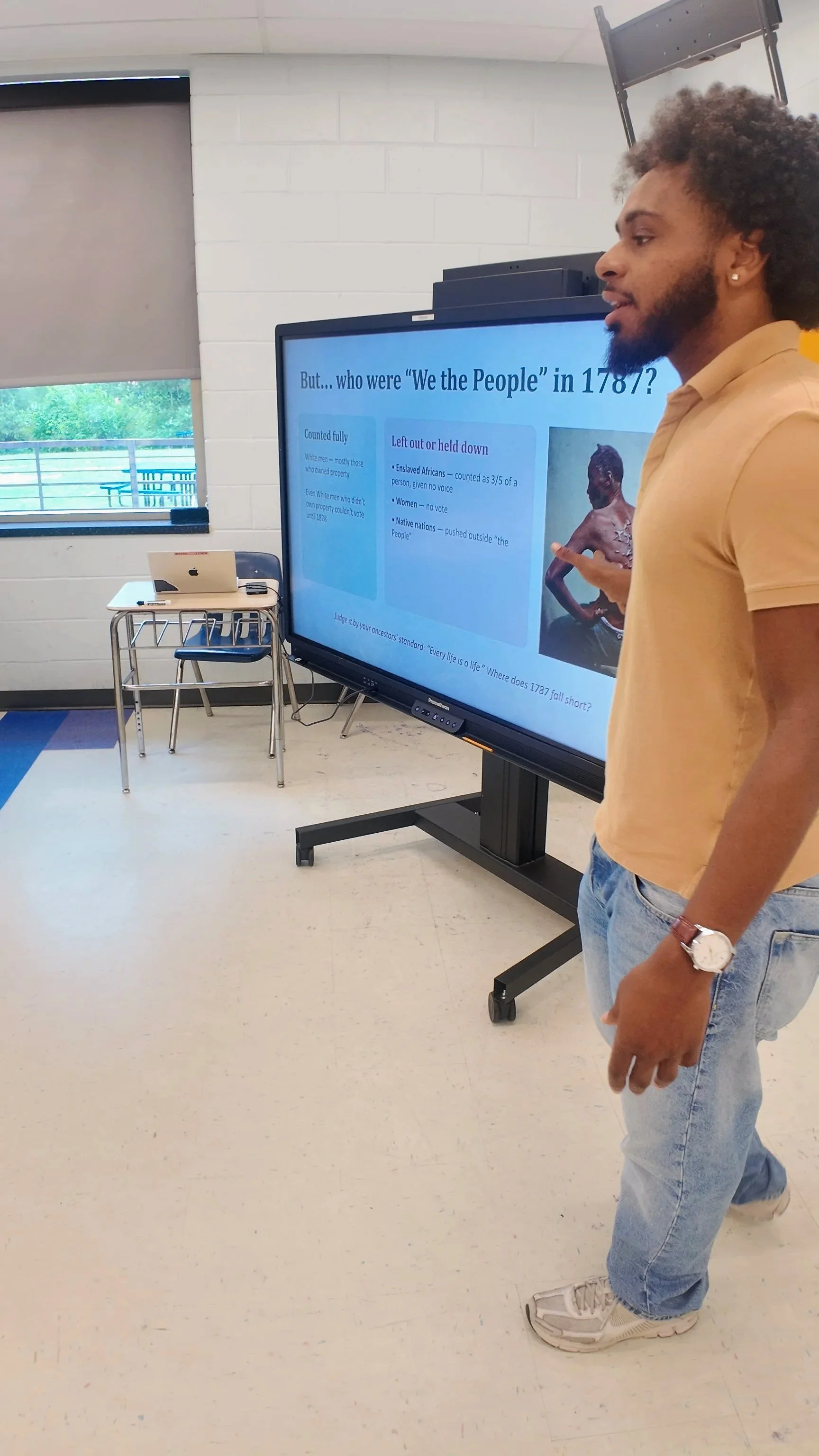
Another African society that the Black Studies course explores is the Mali Empire. This ties into the lesson about Ancient Eygpt/Kemet, and in learning about the revolutionary and prosperous Empire, students are inspired to follow in the footsteps of its leaders and build a society where they can thrive. 

During this lesson, students participate in a collaborative activity in which they build an imaginary civilization. The goal of this activity is to create a civilization that will remain prosperous, peaceful, and thriving over time. A conflict was introduced to further engage the students, where they were asked, “If a citizen says one of your three sacred laws is unfair to people like them,  can your laws be changed? Who changes them?” In response, the students stated, “We would have a jury so people can agree on changing the rule or not, and everyone has to agree to be fair.”

  By the end of the activity, the students have learned the importance of rules and how they are essential to a thriving society. The students are therefore able to retain the knowledge needed to pursue a future in which they will establish change through leadership.


The African dance course provides students with an opportunity to connect with their roots and gain confidence in their race. Students have learned a traditional African dance called Lamban. This dance is the dance of griot-jeli, the West African oral historian. While learning this dance, students have found themselves interested in learning about their ancestors, giving them a greater appreciation for their culture. 
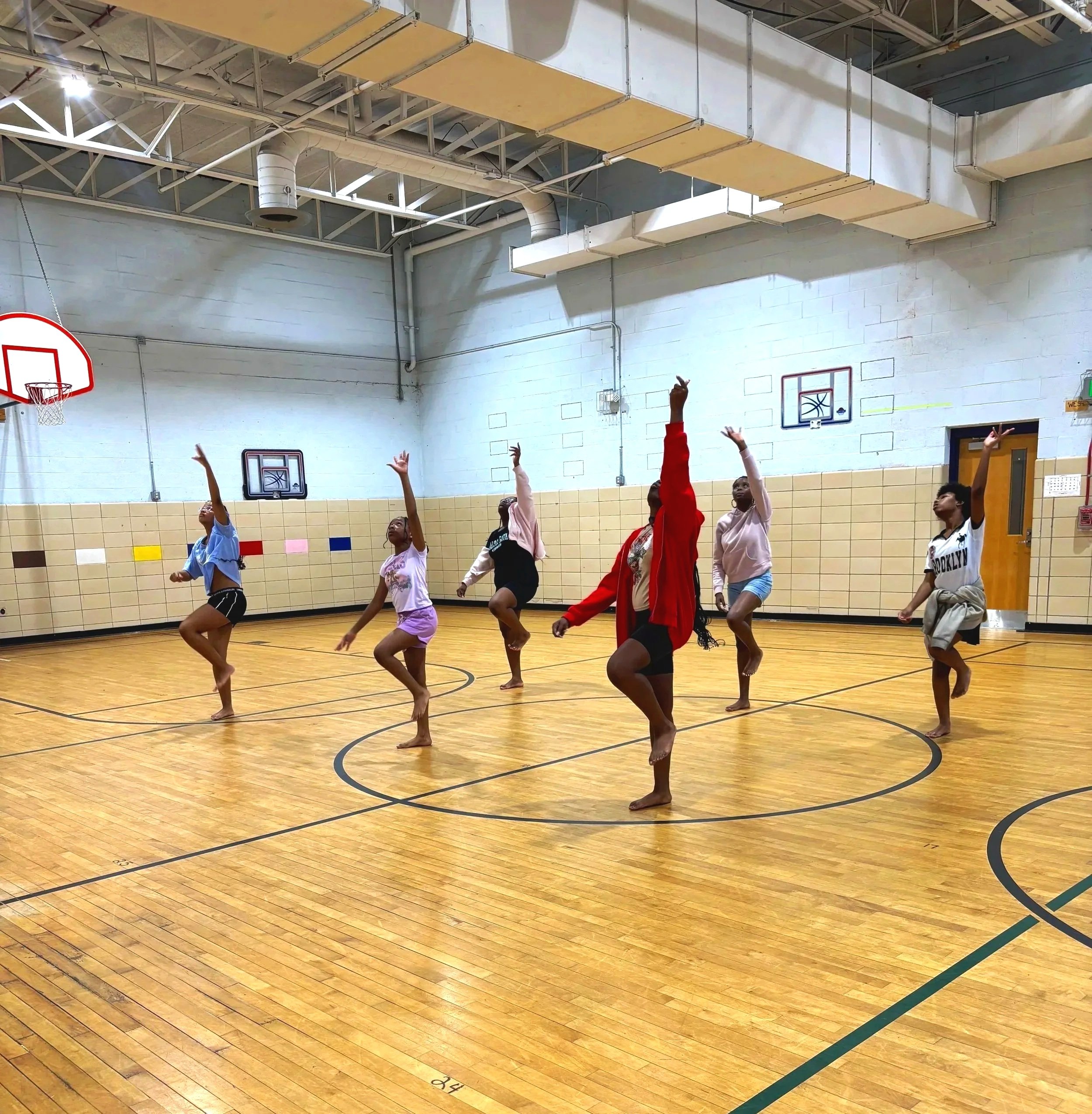

When asked about the knowledge students will gain and its impact on them, the African dance instructor Miya Ajanku stated, “Culturally responsive education allows the children, the student, and the learner to see themselves in what's being given to them, which means that they're attached to it, meaning that they can walk away with something they can use in their lives.” This means that students are leaving this camp with a newfound love for their culture and race that will be retained for the rest of their lives.


In the storytelling and performance course, students are learning the importance of storytelling and the impact it has had on the black community, and how it continues to impact the black community. Students learn to appreciate storytelling and how it has an extremely tangible way of bringing people together. Whilst learning, students discover how storytelling of the past can invoke change in the present. 

When asked how stories help build community and their importance, a student stated, “Stories are important to help us learn lessons and remember our past.” These students are retaining the idea that being knowledgeable on ones history and culture is essential to flourish in society, as those who are ignorant of their history will naturally repeat it. Therefore, students are learning the importance of storytelling and a unique way of bringing people together and illuminating history.
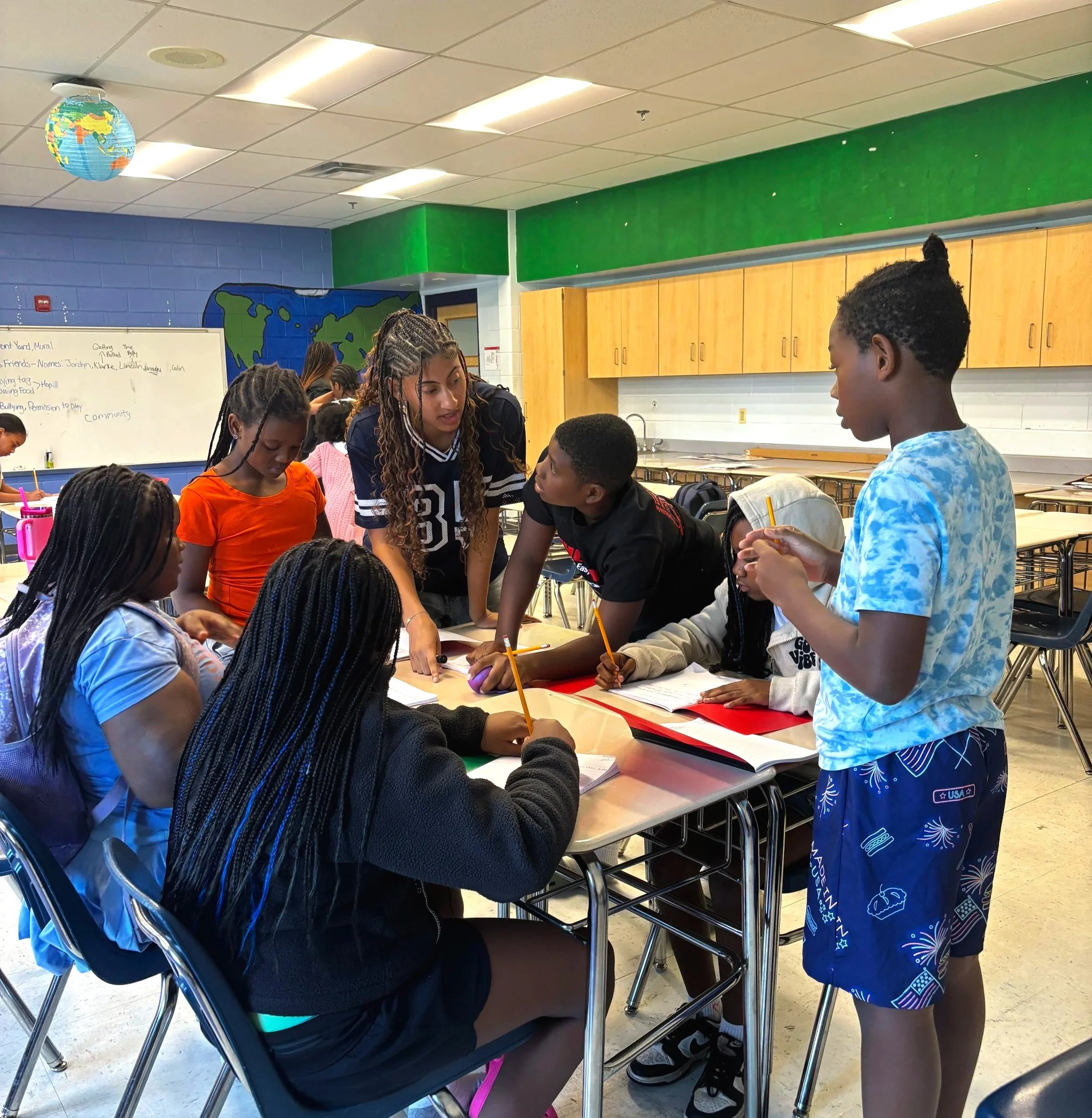

This summer camp experience is important for the staff’s youth workers as well. This is because they get to learn about topics they may not have learned before, as well as develop skills that will be beneficial when pursuing higher education and future careers. This is especially beneficial for youth workers looking to pursue careers involving childcare and education. When asked about the importance of Black education for the youth in Baltimore, a youth worker stated: “Black education matters because some people tried to hide black history from kids that don't know their history.” Another youth worker stated, “Students should know about the history behind where they come from and their ancestors.


These educational experiences and lasting lessons are important because they can be the catalyst for a future generation of educated, liberated, and socially conscious citizens who can lead the black community towards universal liberation and greatness.


Throughout history, Black people have always been at a societal disadvantage. And have been experiencing the hardships that come with this disadvantage for nearly half a millennium, yet in current times, our conditions are far easier to navigate than those of those who have come before us. One of the reasons for this is education. Education has allowed us as a community to pursue liberation despite our many limitations. And in learning about our past, culture, and limitations, we’re brought together as a community and allowed to curate change.


The great revolutionaries of the past prevailed by gaining education by any means necessary. This proved to be fruitful as education opened doors and provided the opportunities necessary to make change for themselves and their communities. 


Knowledge is power, and power brings liberation. Exploitation goes unnoticed to an uneducated person lacking knowledge; to succeed, one must understand their capabilities and knowledge and use them to their advantage. Those who wish to demean and oppress the black community have exploited the fact that we have been underprivileged enough to lack the knowledge necessary to revolt.

Dr. Carter G Woodson gives insight into how ignorance makes people vulnerable to exploitation as he remarks, “When you control a man’s thinking, you do not have to worry about his actions. You do not have to tell him not to stand here or go yonder. He will find his proper place and stay in it…His education makes it necessary.” Living in ignorance gives those who want to see someone fail the opportunity to manipulate them without their knowledge. Therefore, having education and knowledge is one of the most powerful tools one can have at their disposal.


Education is so important for the black community; moreover, culturally responsive education is essential. This is because learning about the history and culture that is linked to someone specifically can teach that person so much, as it has a certain relatability that cannot be taught by education tailored to another demographic. Therefore, gaining exposure to this education during adolescence is an extremely beneficial tool for success.


  Culture matters, and learning from people who have experienced situations that can relate to someone ensures that they're learning about things that will actually be beneficial to them in their endeavors. In Assata Shakur's autobiography, she gives insight into the need for education for the black community that relates to them culturally and will be beneficial for them specifically, "The schools we go to are reflections of the society that created them. Nobody is going to give you the education you need to overthrow them. Nobody is going to teach you your true history, teach you your true heroes, if they know that that knowledge will help set you free." This is why we need education that will benefit the youth of the black community. When asked, “Why is learning about your culture important to you?” a student remarked, “I can learn my background and learn to appreciate who I am as a person.”

This illuminates the importance of the education being received by the students attending this summer camp. They're developing fundamental skills that will be beneficial in their endeavours, and the cultural knowledge that will allow them to navigate life with a lens of wisdom.

Education is necessary for liberation, success, and leadership. An education that is culturally responsive, multifaceted, and tailored to the needs of the youth receiving it can make all the difference when producing a generation of socially conscious and liberated citizens who produce change universally.
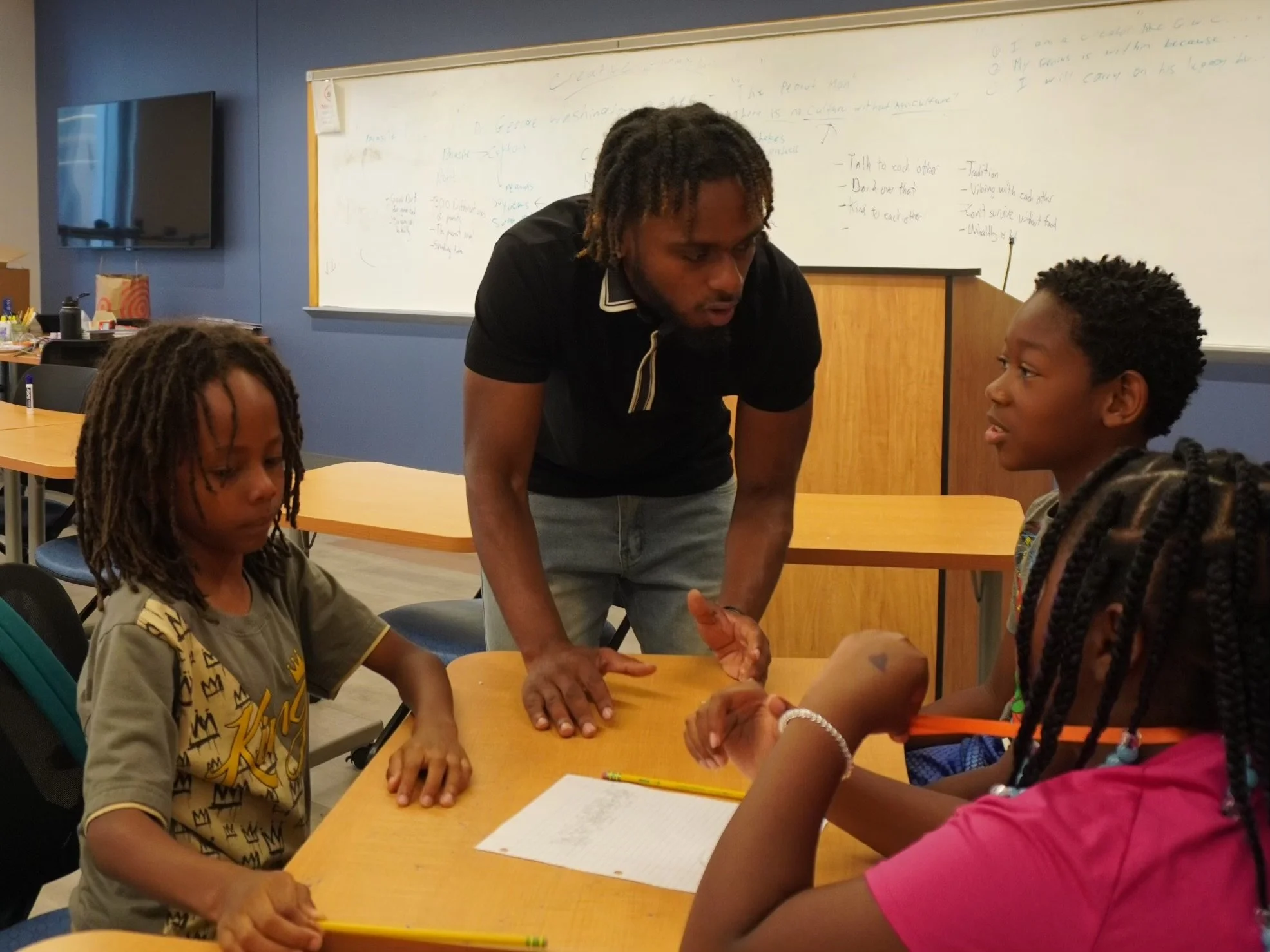
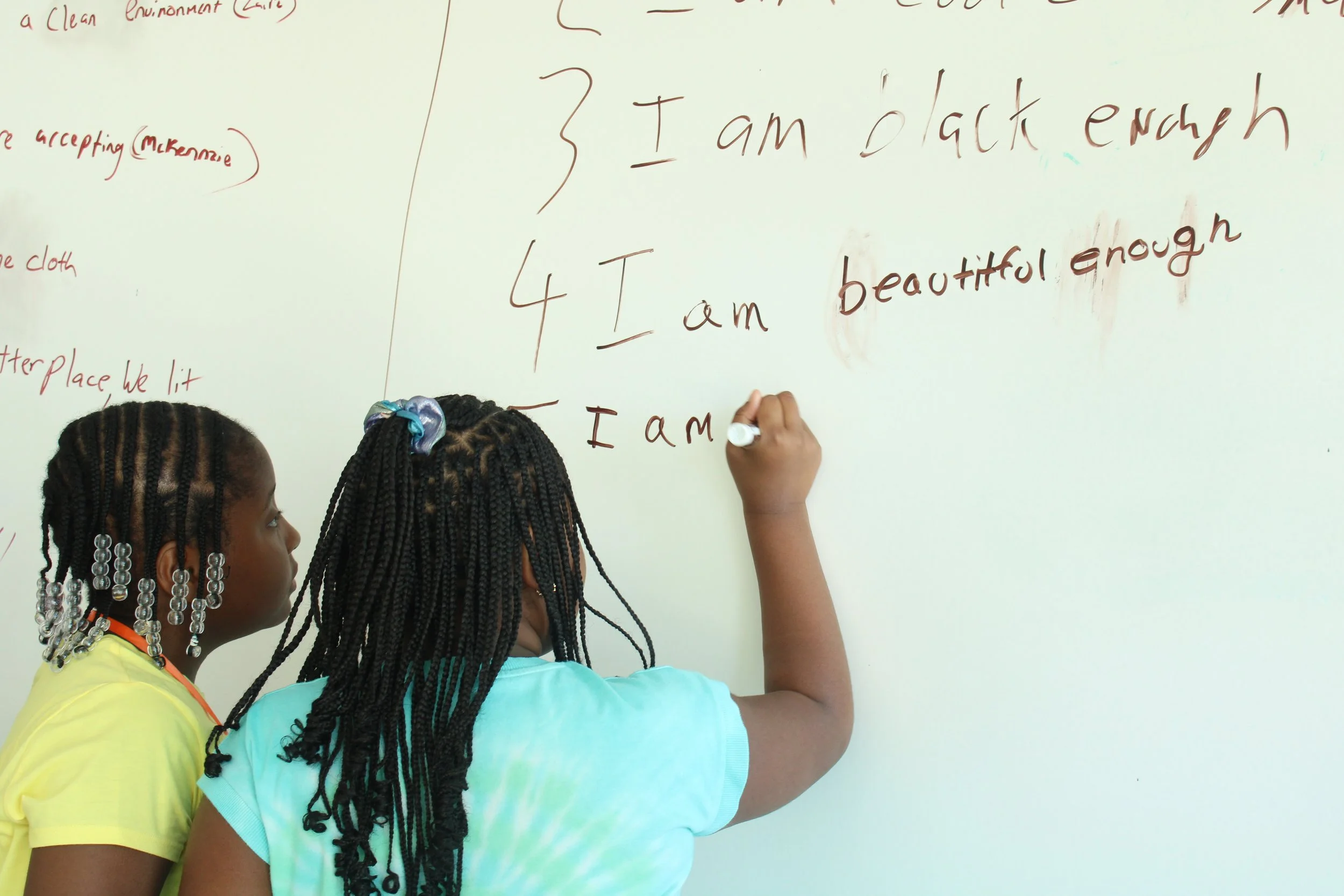
Camp Life (By Meilani Wilson)

August 7, 2025 Agzja Carey

Voices and Laughter fill the room 

As kids trickle in and begin Harambee

A series of chants that not only empower but uplift these children 

and encourage them to love their blackness


Hands raised and conversations had

As we break the ice and the wind blows from seat to seat 

They start to find the rhythm and the beat of the words that set them free


Create, Build, and Cultivate 

Is how they design the community they’d like to see 

The people they want to be

So we can help them believe in who they are and finally part that white sea


Assata Shukur, Chadwick Boesman, and Malcolm X

Say their names 

All freedom fighters that each child gets to group with 

Each one of them have something in common 

Leadership, Pride, and Strength 


Glue and Glitter passed around 

As they produce there memory boxes 

That detail their family tree and who belongs in it 

They take a moment to Remember the Time when Kemetian peoples 

Created the very pyramids that we only see in folklore today


The diaspora is full of languages

But we focus on the rhythmic nature of Patois 

The linguistic of Jamaican culture 

The dynamic sound of reggae is more than music its expression 


This is more than a summer camp

Its a new way of learning 

That is more than sitting in desks

More than playing outside all day

It is culture, creativity, knowledge, and fun

It is taking what they know and imagining new worlds

Planting Seeds of Sovereignty: How Crayons & Culture Is Shaping A New Generation of Black Leaders (Written By: Josiah Jacobs)

August 7, 2025 Agzja Carey

As we progress through 2025, recent national leadership shifts have had a profound impact on communities across the country. Decisions made at the federal level in the first six months of the new administration are already reshaping daily life for many, leaving some individuals uncertain about what the future holds. However, I believe that it is of the utmost importance that we remember that we still do have the power to create a brighter tomorrow. The most surefire way to create a better future is to make empowering children a priority, and to create opportunities for the next generation to lead. Grassroots organizations across the nation have remained committed to this mission, and in this piece I would like to highlight the work of an organization that I’ve been blessed to teach with this summer, Crayons & Culture.

Crayons & Culture is a grassroots education solution that works to instill a sense of Black Consciousness and pride within the Black youth of Baltimore City. Despite Baltimore City being majority Black, this has not erased the fact that educational institutions oftentimes tend not to be able to support the needs of culturally affirming Black youth and excellence. Crayons & Culture offers a solution to this lack of culturally affirming education through tactics and a pedagogy rooted in immersive learning that recreates what the classroom has the potential to look like when you awaken the natural genius that lies within Black children. While children may appear to be passively experiencing the world, my time at Crayons & Culture this summer revealed just how much they are paying attention to their surroundings and internalizing what they observe.

For children, what they pay attention to is of critical importance. In a society that has been built on the notion of Black inferiority, these messages have the ability to permeate loudly through their young minds. This reality, combined with the resurgence of the more overt-form of white supremacy embodied through this current presidential administration, makes the mission of Crayons & Culture, along with similarly aligned Black institutions, even more paramount. In this era we find ourselves in, it is crucial that the values of Black pride and the ethos of self-determination lie not only at the center of how we think through this era, but also in how we create solutions and problem-solve for what lies ahead. When creating strategies for a liberated future, we must remember that our fight has been born out of a love for our communities, and by having a sense of pride about who we are. Every great Black organization engaged in their respective struggles because they believed wholeheartedly that we were worth fighting for. 

At Crayons & Culture, we have worked hard to instill a sense of internal value and self-worth within the youth. In the class that I had the opportunity to teach here, I had the youth repeat positive affirmations about themselves in front of the class. I stressed to the children that they must say their affirmation proudly, like they truly believe what they are saying. Having students declare positive affirmations may seem simple, yet it directly counters the ‘myth of inferiority’ that Dr. King warned against—a myth that too easily takes root in the absence of an affirming narrative about self. The idea of them being innately less intelligent compared to other groups, like we are often fed in the media, can spread like cancer if left undiagnosed.

When engaging the youth, having an inherent sense of value is critical, because this is what will carry these same people into adulthood. One morning here at Crayons & Culture, I had remarked to the camp that the knowledge that they are receiving will save their lives. It would be easy to believe that I was being hyperbolic when I said this, but I wholeheartedly maintain what I had stated. True empowerment, I believe, is impossible without knowing the revolutionary legacy of our ancestors—those who, as John Henrik Clarke said, are “revolutionary people” simply by surviving and striving in America. Not to mention, we must communicate the idea that our history didn’t start in 1619, but that we ruled nations, innovated new forms of travel and agriculture, and created complex systems of knowledge in Africa that we still can’t fully understand today. These ancestors live within us everyday, whether we are willing to acknowledge this truth or not. When we understand these core principles of where we come from as Black people, it plants the seed within the mind that we do have the ability to create change, and that we can do it on our terms. These ideas create the foundation for a child to use their imagination to become a problem-solver, and to solve these problems not purely out of anger, but out of love for their people. Crayons & Culture provides this opportunity to plant seeds of sovereignty within Baltimore youth to become self-determining changemakers within their communities. 

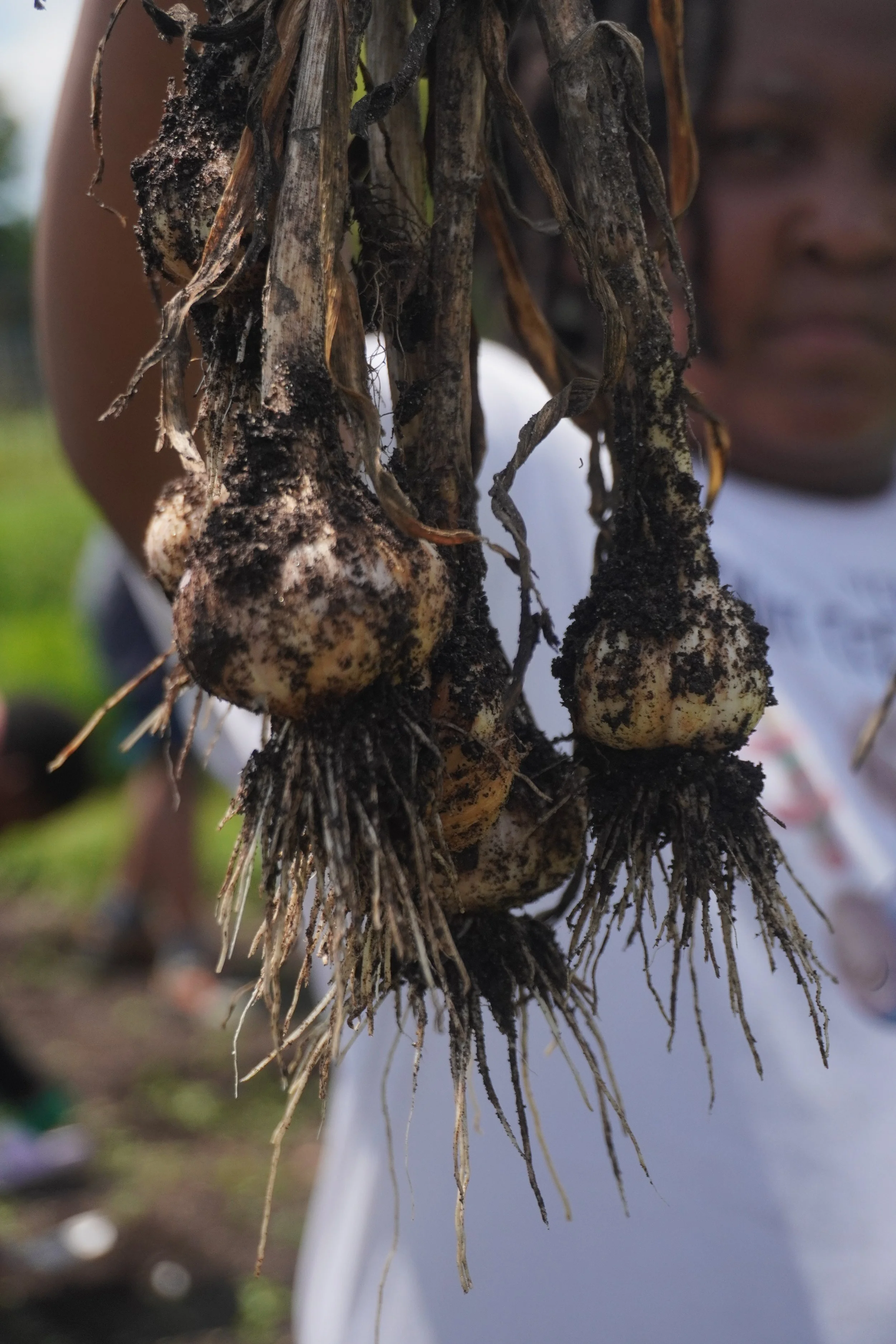
Too often, when creating programs and solutions for our communities, we tend to focus solely on addressing the problems and overlook the beauty, love, and deep-rooted strengths that already exist. It’s not enough to fix what’s broken; we also must celebrate and protect what we value. When we center that love—love for our people, our children, and our cultures—we create the space for imagination to flourish. By partnering with organizations such as Our Time Kitchen for cooking, FullBlast Steam for engineering, and Whitelock Farms for agriculture, we empower children to become solution-makers. Each of these organizations provides children with essential knowledge and skills that are crucial to building functional, thriving communities. Motivated not by anger or hardship, but by kinship, pride, and a strong sense of responsibility, these children are equipped to shape a better future. Crayons & Culture places the seed within young people to not only see themselves as capable of solving problems but also as individuals who have a place of improving the well-being of their communities. Our vision is to create a cohort of leaders who are both aware of the problems affecting their community and equipped to spearhead the movement toward Black liberation, which I define as our community attaining autonomy over its economic, political, and cultural life. 

Crayons & Culture is rooted in a long legacy of Black institutions that have worked to uphold and maintain a Black identity that is rooted in pride and devotion to the Black community. Being reared within a Black institution provides not only the ability to see yourself in a positive way, but it also allows you to see Black leadership demonstrated  in practice. While this philosophy holds true for children, it also applies to young adults as well. Through the internship and fellowship program here at Crayons & Culture, we have also created the ability for young professionals to enter into leadership roles, thus giving them first-hand experience at what it is like working in an institution that is devoted to the empowerment and success of Black people. 

By having the ability to work with the youth daily, these young professionals are seeing the power that comes with working for an organization that is grounded in a moral ethos that sees its work as bigger than just education, but providing these Black children with a sense of self that will fundamentally change how they live their lives. Many of the interns and fellows here at Crayons & Culture have never had the opportunity to work at a Black owned and run institution, thus lighting the spark in their older age about the possibilities that lie before them when the doctrine of self-determination permeates throughout an organization.

The cultivation of a young cohort of leaders is nothing new at the Black institution, and Crayons & Culture is committed to following in this legacy. Providing employment that serves your community is one that can empower an individual with a deep sense of purpose and can oftentimes provide young college students with a sense of direction at such a pivotal point of their lives. Moreover, providing Black youth with employment allows them to have a personal stake in the community that they wish to see thrive . In order to prepare a young cohort for leadership, they must be ready when the baton is handed down to them. Handling the responsibilities of leadership, like the interns and fellows have done so far, prepares them for what this society will inevitably throw at them. 

By providing this socialization for these young professionals, Crayons & Culture provides a glimpse of what a functional community can look like, and how feeling a sense of accountability towards the people who you serve will allow you to make culturally-informed decisions about specific ways your community can be made better . At Crayons & Culture, we pride ourselves on not just our work with the students, but also with the ways in which we try to keep the guardians of the children involved with the activities. In order to reap the full benefits of a culturally-conscious education, the elders must be involved. This provides for a deeper sense of accountability that we aspire to embody as a part of our organization. In order to have the seeds of sovereignty bloom into what we have imagined, we must be completely bought in as a community, elder and youth alike. 

Crayons & Culture, like the Black institutions that paved the way for its existence, has produced an environment that cultivates a new generation of Black leaders who are not only devoted to the Black community, but also embody this devotion in their actions—all as an expression of the will of the people.